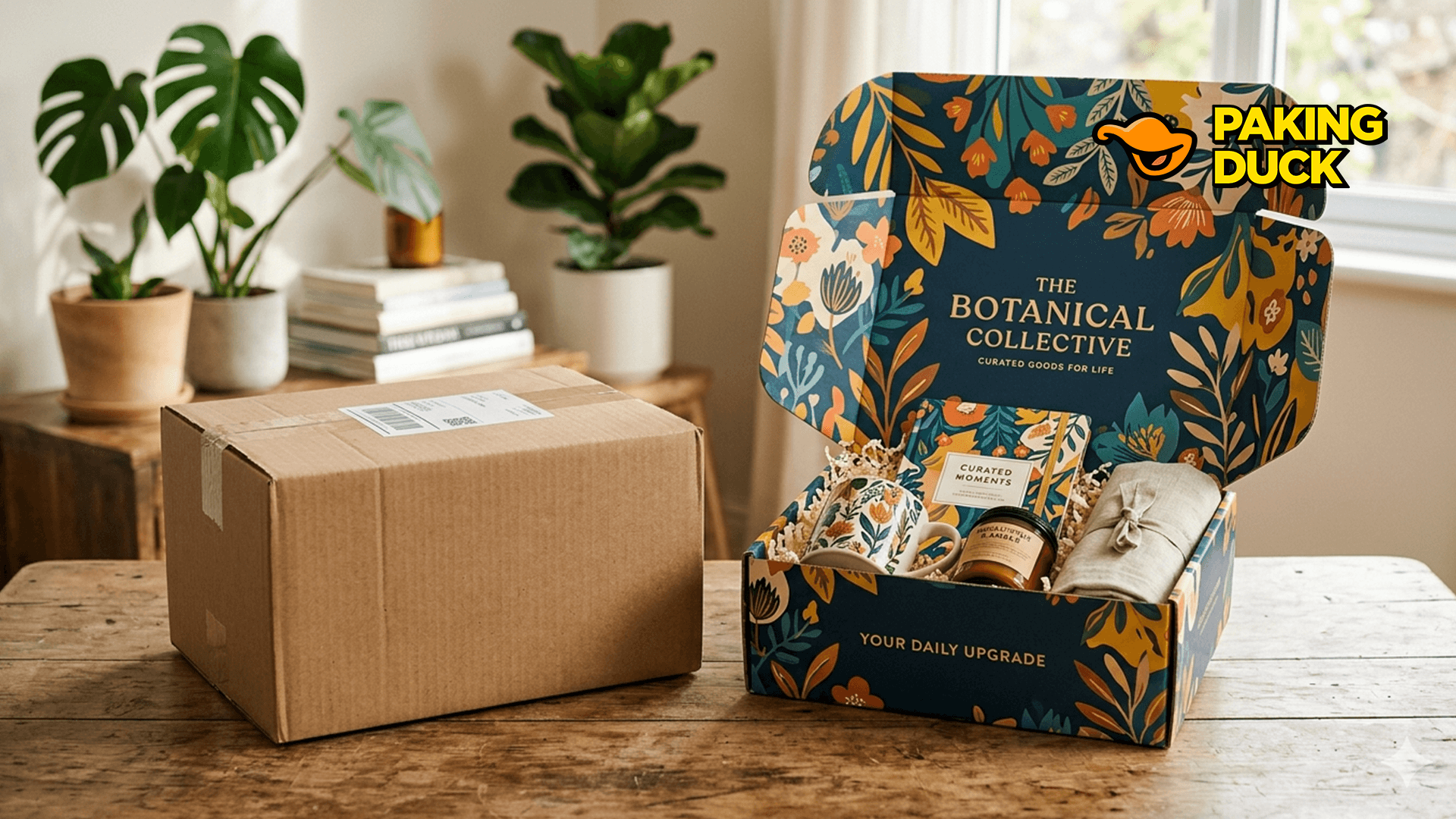

Primary, Secondary, and Tertiary Packaging Explained: A Guide for Growing Brands
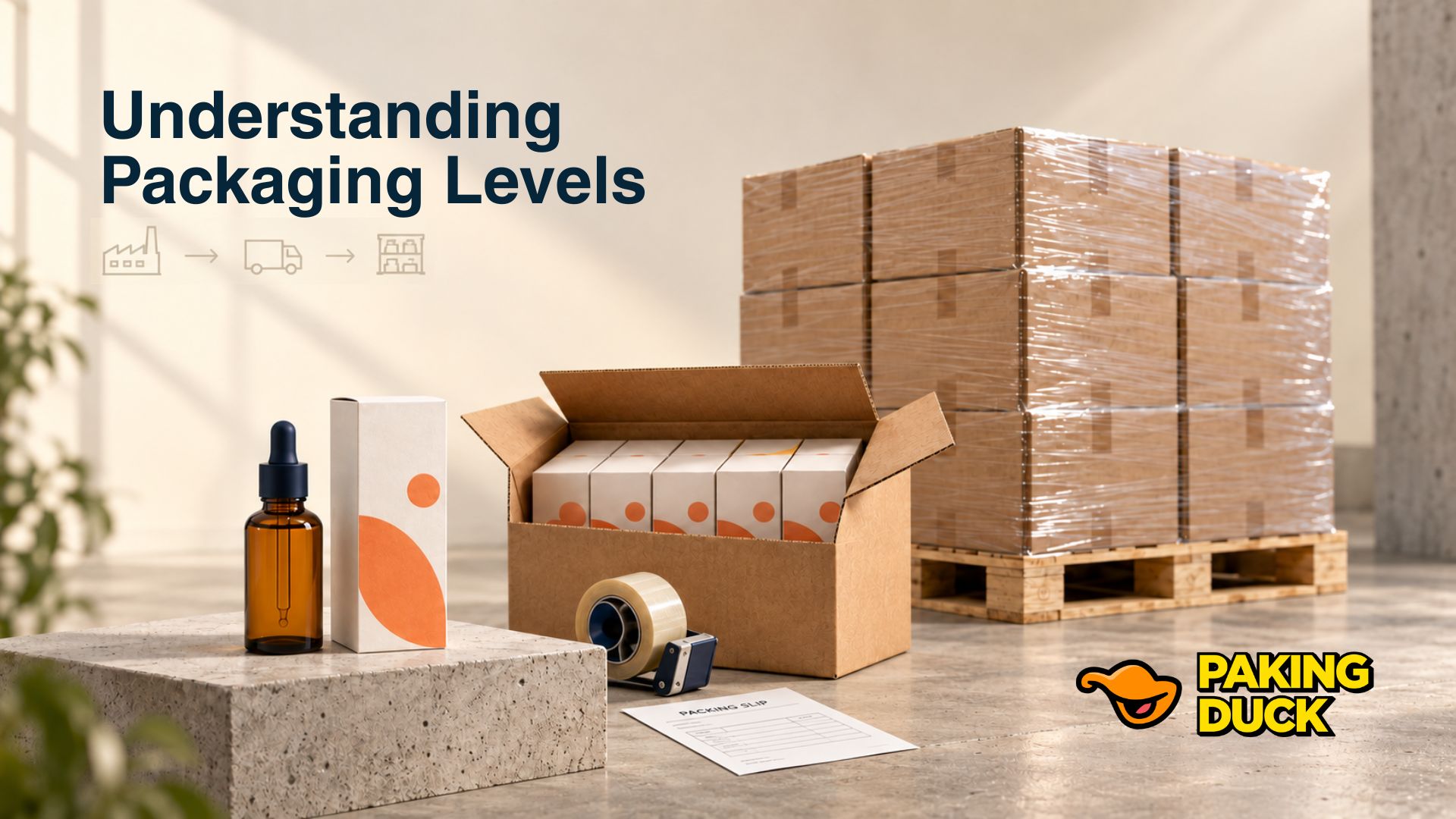
Your serum bottle is ready. The printed carton looks right. Then your first retail buyer asks for a case pack, and your fulfillment partner wants to know how the stock will arrive on pallets. Suddenly, “we need packaging” covers several different jobs.
Primary, secondary, and tertiary packaging describe how those jobs fit together. Understanding the difference helps you brief suppliers, spot gaps in protection, and avoid ordering a beautiful box that doesn't solve your actual problem.
Primary, secondary, and tertiary packaging at a glance
The table below uses common consumer packaged goods design terminology. Start with what a component needs to do, then choose its structure and material.
Once you've identified the job, explore Paking Duck's packaging options for every layer, including pouches, folding cartons, and shipping boxes, to compare relevant formats.
Primary packaging starts with the product
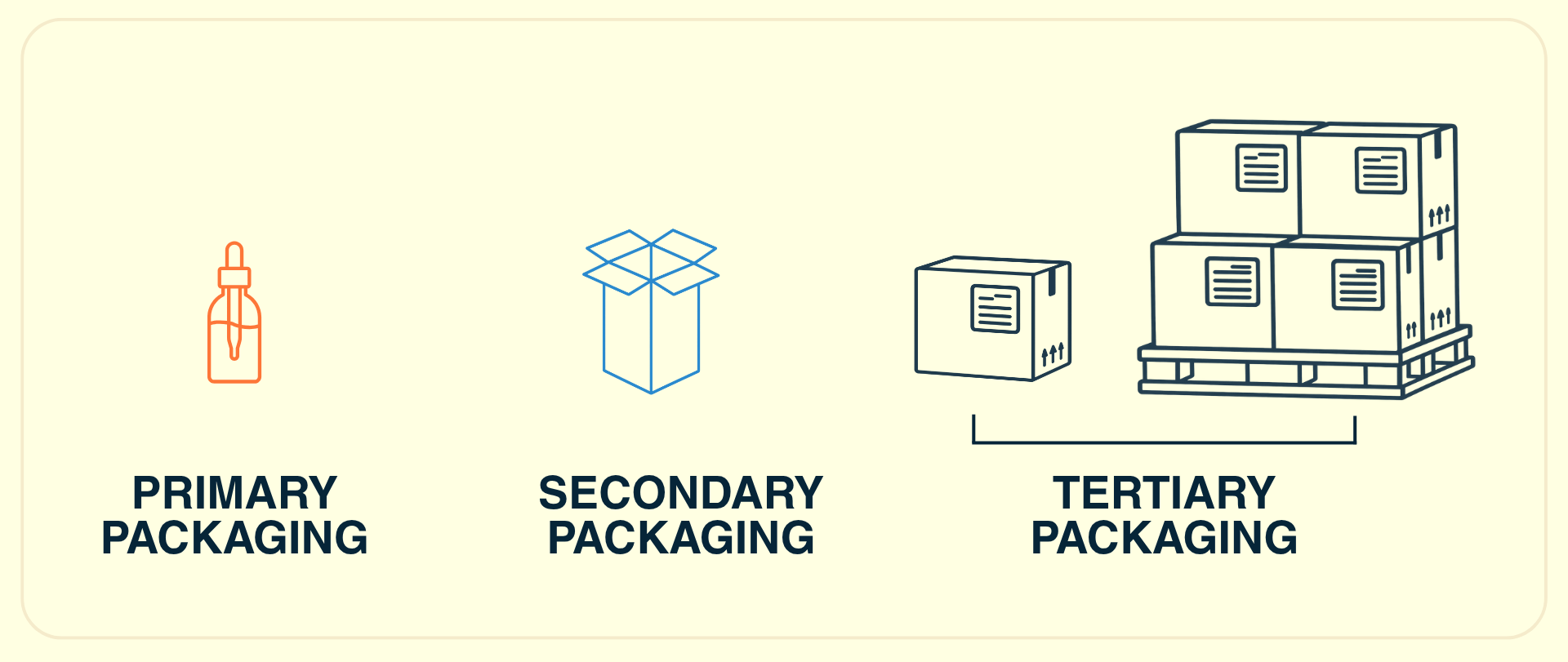
Primary packaging is the immediate container or wrapping around your product. For a serum, that means the bottle and closure. For a powdered drink mix, it could be the sealed sachet or pouch.
This layer has the closest relationship with what you're selling. A bottle can look perfect in a render and still be the wrong choice if the dispensing system doesn't suit the formula or the closure hasn't been evaluated for the intended journey.
For example, imagine a skincare brand changing from a dropper to a pump. That decision affects how customers dispense the product, the assembled bottle height, and the space needed inside its carton. The rest of the packaging needs to follow the finished container.
Before approving a primary pack, ask your product manufacturer or filler:
- Has this exact product been evaluated with the proposed container and closure?
- Can the filling and sealing equipment handle the format?
- Is it easy to open, dispense from, and close again where needed?
- What storage and shipping conditions should the packaging accommodate?
Review the filled, assembled pack before locking the dimensions of the surrounding box.



Secondary packaging gives the product context
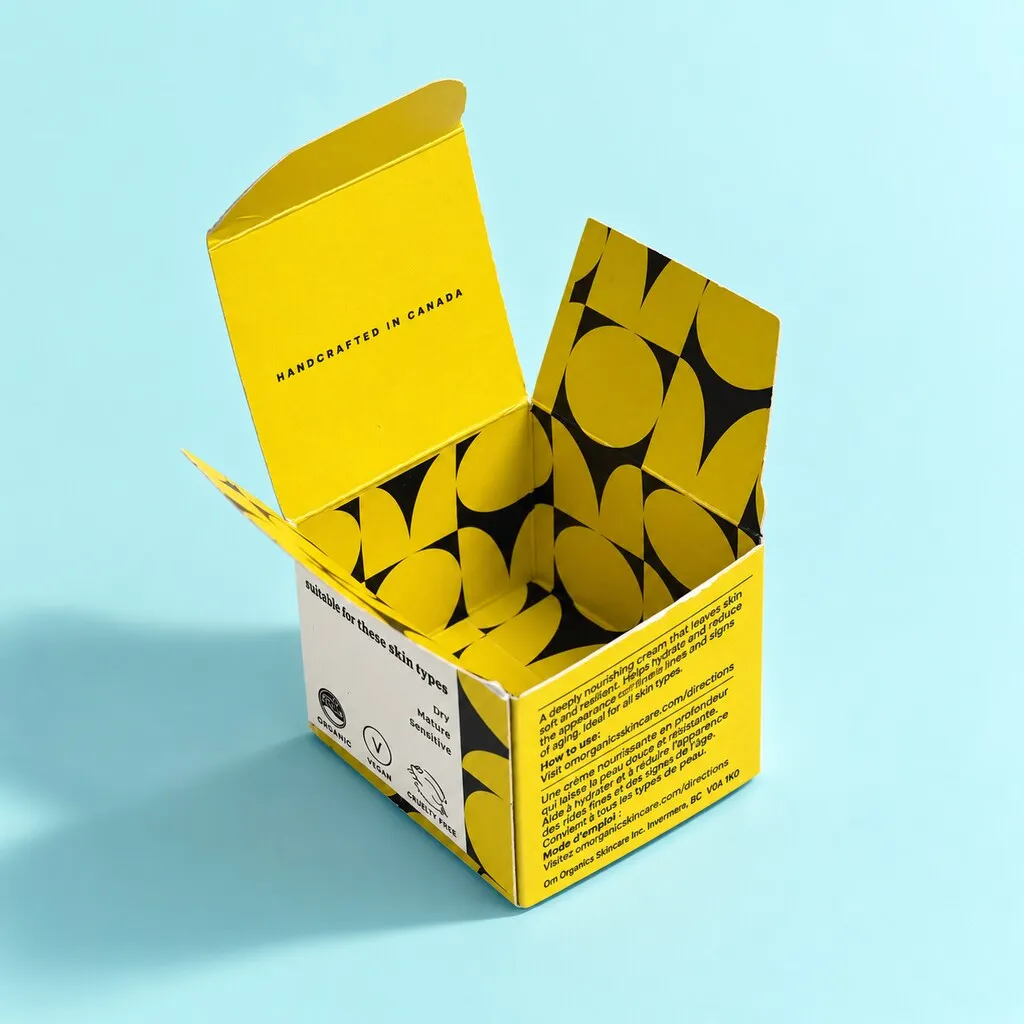
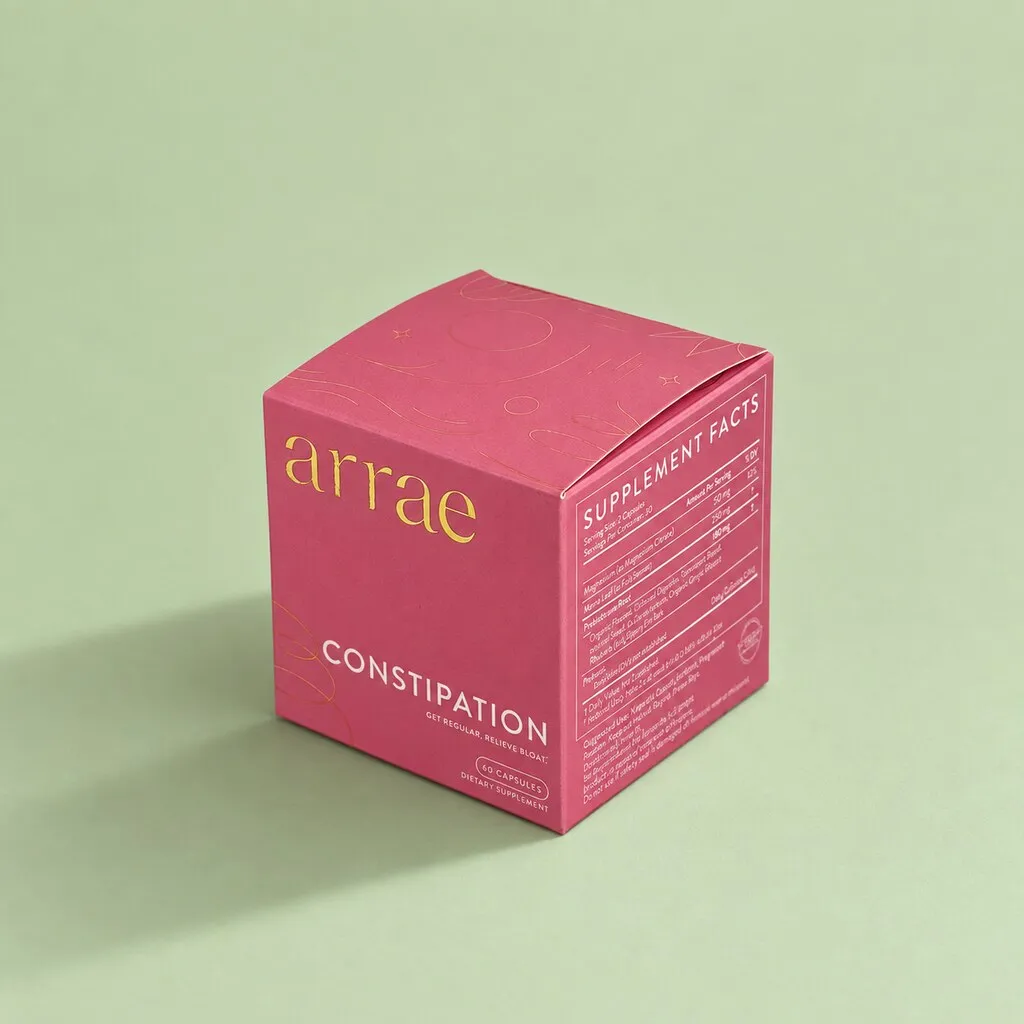
Secondary packaging sits around a primary pack or groups several primary packs together. In common beauty-packaging terminology, the printed carton around a serum bottle is secondary packaging. A sleeve holding several sealed snack packs is another example.
This is often where brands create a retail presentation or assemble a set. Custom folding cartons provide a lightweight paperboard structure around a product. A different format may suit a gift set, a refill bundle, or goods intended for shelf display.
A secondary pack can also help organize products during handling. The useful question is what it adds to this particular product and sales channel.
For a retail skincare launch, a carton might give the team room to explain the product and create a consistent shelf presentation. For an online refill order, another decorative box might add little value. Make that decision deliberately.
Think about assembly, too. Ask the person packing orders to build the proposed pack with the actual contents. If they need to force a closure or improvise how the items fit, revise the structure before production.

Tertiary packaging prepares goods for distribution
Tertiary packaging helps move and handle packaged goods through the supply chain. A typical setup includes outer shipping cases, a pallet, and materials that secure the load, such as stretch wrap or strapping.
A master case is an outer carton used to consolidate smaller packs for shipping. The pallet allows multiple cases to move as one load. In an example with individually boxed serum bottles, both the master case and the secured pallet can form part of the tertiary packaging system.
Three packaging levels do not necessarily mean three physical components. There may be a bottle, its retail carton, an outer case, and a pallet. Several components can support the same distribution function.
Case terminology also depends on the setup. GS1 Denmark's packaging-system example classifies a case containing jars as secondary and the pallet and wrap as tertiary. When briefing a supplier, specify what goes inside each case and where it travels, alongside the level name.
How the packaging hierarchy changes across sales channels
Consider a hypothetical skincare brand selling the same serum online and through stores. The primary bottle may stay the same, while the outer packaging follows different routes.
Direct to consumer orders
A fulfillment team picks one boxed bottle from inventory, places it inside a parcel shipper with suitable protection, and sends it to the customer. The transport pack now needs to suit individual parcel handling.
This is where product packaging vs shipping packaging becomes a useful distinction. A retail carton presents the product; the parcel shipper needs to protect the packed order along its delivery route. A branded mailer can contribute to both protection and presentation.
If your team calls that mailer “secondary packaging,” include a functional description in the brief: “outer parcel shipper containing one boxed bottle.” That gives the supplier a much clearer starting point.
Retail replenishment
Several boxed bottles go into a master case for delivery to a store or distribution center. Store staff remove the outer case and put individual retail units on the shelf.
Confirm the buyer's case pack, meaning the number of sellable units in a case. Also ask about receiving labels, permitted case dimensions, and any shelf or display requirements before finalizing the design.
Wholesale and pallet deliveries
For larger orders, cases may be assembled into a pallet load. The receiving warehouse needs an agreed case count, load configuration, and identification process.
If that warehouse later breaks down the pallet and ships individual parcels, you need to consider both journeys. ISTA's guidance on distribution testing explains why test selection should reflect actual handling and whether goods travel as individual packages or unitized loads.
How to decide which packaging layers you need
Start with the product and work outward, checking the full route as you compare custom packaging options.
Map what is sold and what is shipped
Write down the unit a customer buys: one bottle, a two-product set, or a multipack. Then record how that unit leaves the factory, reaches your warehouse, and gets to the buyer.
For each handoff, note whether the packaging stays intact or gets opened and repacked. This exposes missing pieces early, such as a gift box that still needs a separate parcel shipper.
Define a job for every component
Give each proposed component a clear purpose. An insert might hold the product in position. A sleeve might keep a bundle together. An outer case might consolidate retail packs for shipment.
Paking Duck's packaging inserts and protective packaging include formats you can discuss once you've identified the protection or organization you need. The right choice depends on the packed product and its route.
If a component's only justification is “that's how the reference photo looks,” ask whether it earns its place.
Check how the layers fit together
Record the finished product's dimensions, including caps, pumps, handles, and any other protrusions. Distinguish a box's internal dimensions, which govern fit, from its external dimensions, which matter for shipping and storage.
Allow the supplier to develop the necessary clearances and protection for your product. An arbitrary gap copied from another pack isn't a specification.
Review outer size as well as appearance. FedEx's dimensional-weight guidance explains that shipping charges can depend on package volume relative to actual weight. Compare the packed dimensions under your carrier's current terms before committing to a larger format.
Compare the complete packing process
Ask for a breakdown of the container, outer packs, inserts, and other components. Add assembly and packing labor, storage needs, and freight to your comparison.
A low box price doesn't tell you how long the pack takes to assemble or whether it creates an awkward size for your fulfillment shelves. Ask your operations team to pack a trial order and record what they need to do.
Sample the complete configuration
Review the product, closure, cartons, inserts, and shipping materials together. Agree on what acceptable condition means on arrival, then select testing that reflects the distribution route.
Use Paking Duck's custom packaging quality control checklist to organize the review. Keep a record of the approved components so later changes are easy to identify and evaluate.
What to include in your packaging brief
You don't need a perfect technical specification to start a useful conversation. You do need enough context for the supplier to understand the job.
Include:
- Product details: What it is, its assembled dimensions and weight, and any known sensitivity or compatibility requirements.
- Sales unit: What the customer buys and how many items belong in that unit.
- Distribution route: DTC parcels, retail replenishment, wholesale cases, or a combination.
- Packing configuration: Units per case, any pallet requirements, and where repacking happens.
- Existing components: What is already approved and what needs to be developed.
- Commercial needs: Order quantity, target budget, delivery destination, and required arrival date.
Attach photos of the actual product and a simple sketch showing how the components fit together. That is usually more useful than asking for “a premium secondary box” without explaining its contents or route.
Frequently asked questions
Is a shipping box secondary or tertiary packaging?
A box grouping primary packs may be described as secondary. An outer box used for transport may be described as tertiary or shipment packaging. State its contents and purpose in your brief so the terminology doesn't hide the requirement.
Can one box be both product packaging and shipping packaging?
Yes, a structure can combine presentation and shipping functions. Its suitability still needs to be evaluated with the actual contents and distribution route. Printing a logo on a box does not establish its shipping performance.
Does every product need all three packaging levels?
No. Some products can reach the buyer with fewer separate components. Keep the protection, handling, and presentation functions you need, and evaluate any proposed removal against the complete journey.
Are inserts a separate packaging level?
Usually, an insert is a component within a packaging level. Describe where it sits and what it supports. An insert inside a gift set and a divider inside a shipping case have different jobs even if both are made from paperboard.
Why do guides classify the same packaging differently?
Design terminology and reporting definitions can differ. For example, UK packaging reporting guidance, updated in August 2026, uses sales units to define primary packaging and distinguishes shipment packaging. Use the definitions required for your market when reporting packaging data.
Turn the packaging layers into a workable brief
Knowing the difference between primary, secondary, and tertiary packaging helps you identify what needs to be sourced and how the components should work together. Bring the actual product and the full distribution route into the conversation from the start.
Paking Duck supports packaging sourcing, design development, sampling, and logistics coordination. Explore our custom packaging solutions to find formats for your product, then use the brief above to explain what each layer needs to do.